
Headline Harry is at it Again: Removing Environmental Protections
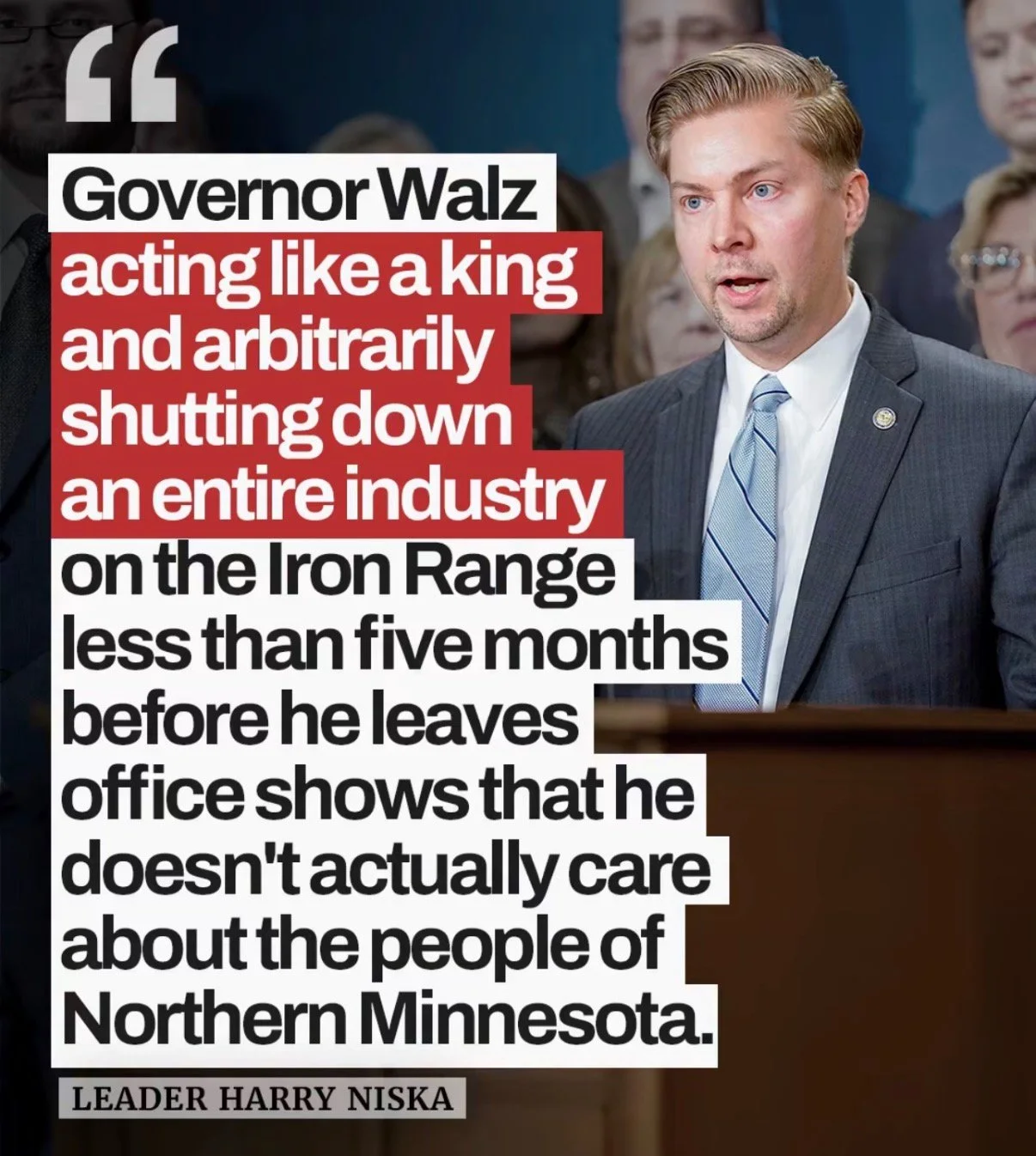
Governor Walz came out yesterday and announced that he'd signed an executive order banning mining in Minnesota near the Boundary Waters. It didn't take long for Headline Harry to come out and voice his opposition, saying Governor Walz was acting like a king and that he "doesn't actually care about the people of Northern Minnesota." Ironic coming from a guy who's likely never spent a night out there, but that's another story. Let's be real here, copper nickel mining isn't 100% safe. There is always a leak at a mine, tailing dam failures and a host of other issues. Mining in the BWCA watershed is a terrible idea that should always be banned. The few mining jobs that it might create isn't worth the destruction of some of the most pristine waters in North America.
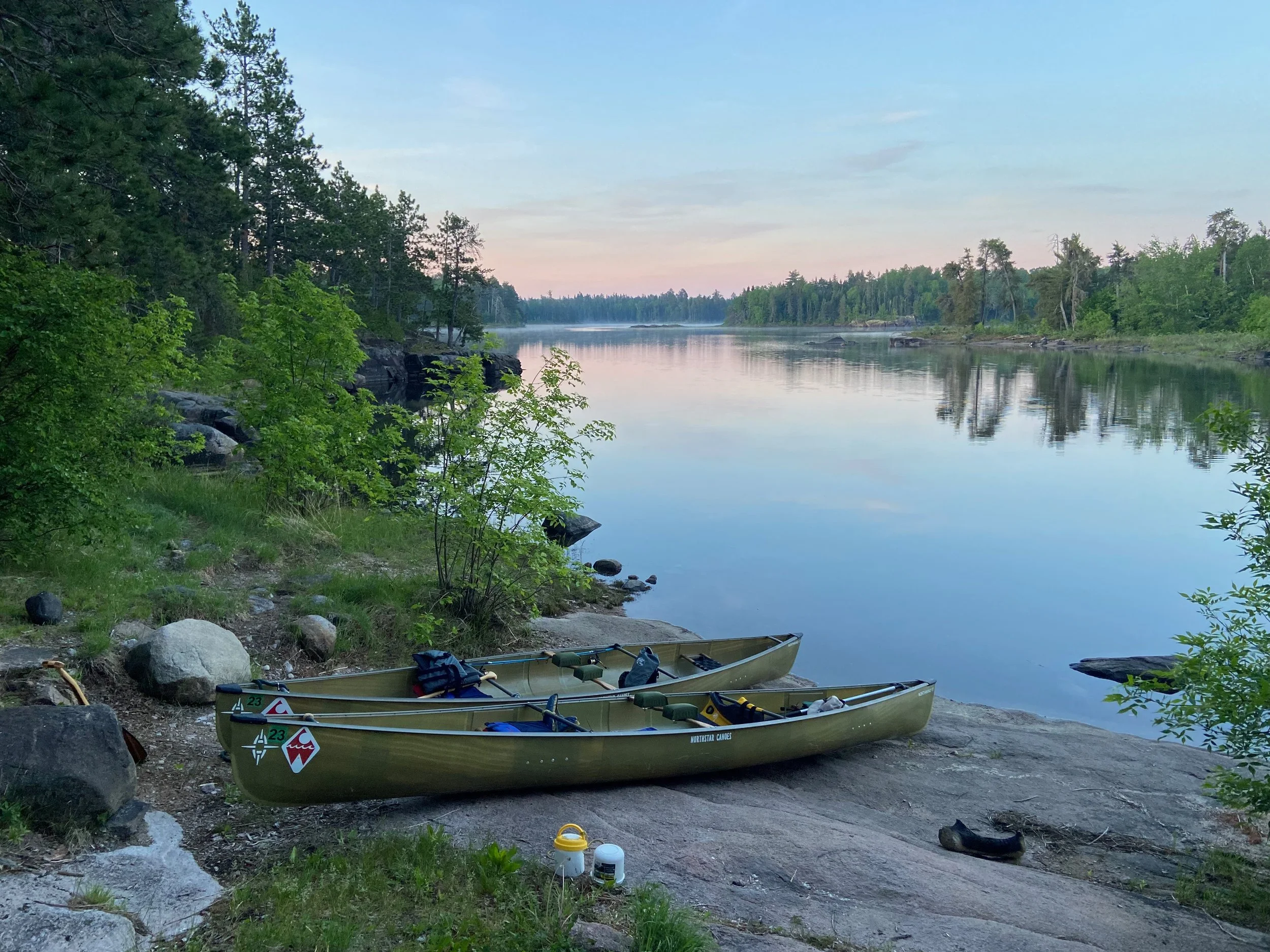
What I don't understand is that no one is talking about how far this water flows from the proposed mine. That polluted water is going to go through another country on its way to the Hudson Bay. Does that leave us open to litigation from Canada for also ruining their water and tourism?
Speaking of tourism, it brings between $800 million to $1 billion dollars to the area a year. It provides 17,000 jobs a year for those in the area. These are locally owned small businesses. I personally have gotten to know many of the people in Ely on a personal level over the last 25 years of going to the BWCA. These are good people who love their community and the tourism that the BWCA brings them. Now that’s positive economic impact.
Here's the thing about Harry. This isn't a one-time thing on mining. It's a pattern. Back in 2025, Harry signed on as an author of a bill (HF 28) that would have let data centers skip Minnesota's environmental review process for their giant backup diesel generators, the same kind of review that protects places like the Boundary Waters. That bill got shelved before it could pass, but it tells you where his instincts are. And this session, there's another bill moving that would roll back the water protections Minnesota just put in place for data centers, protections that require companies to show they aren't going to drain an aquifer dry before they get a permit. Different industry, same playbook. When it's mining near the BWCA, Harry calls the Governor a king for protecting our water. When it's a data center that wants to skip the line on water and environmental review, that's apparently just fine. Pick a lane, Harry.
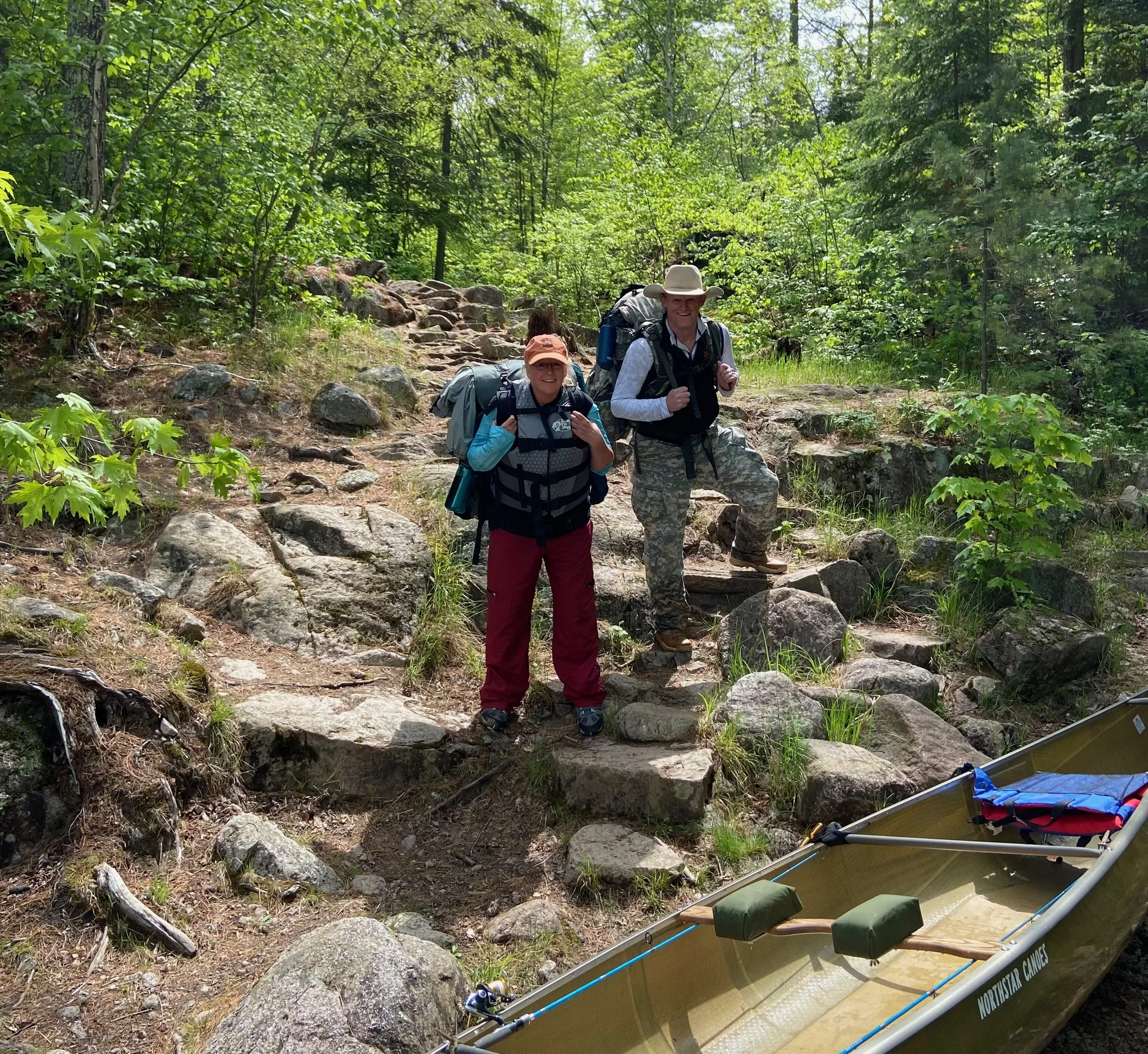
To truly understand what is at stake with mining near the BWCA, one would actually need to visit this amazing place. Every single year without fail I visit the BWCA for at least a week. To travel to some of the remote less traveled lakes is like going to another world. Tripping in the BWCA isn't for the faint of heart though. It's work, hard work to get to the remoteness of the wilderness, where if you're lucky you won't see another soul and have some of the best fishing imaginable. I'm pretty sure that Headline Harry has never been and wouldn't be able to survive on our trips.
So I have a suggestion, until these people who want to destroy the BWCA can actually go do a week there, they should just leave it alone because they have zero idea what they want to destroy.
P.S. Before Harry says "but I signed HF16, regulating data centers," we think it's important for everyone to know exactly what that bill does, and more importantly, doesn't actually do:
The water language in HF16 doesn't require data centers to report anything new. The reporting requirement already existed before the bill passed.
The one new water review process in the bill is optional. The DNR can ask a data center for information before it applies for a permit, but it doesn't have to.
Whatever information does get shared in that review gets classified as nonpublic. So the public can't see it, even by filing a records request.
The bill lets utilities offer data centers a "clean energy" tariff, but that term is never actually defined. It could mean real renewable power, or it could mean gas with a filter on it.
Data centers can get excluded from Minnesota's solar and conservation requirements entirely. In exchange they pay a flat annual fee, capped based on size, that goes to weatherization programs, not to protecting the rest of us from higher bills.
The one tax break Harry's caucus made sure got extended, the sales tax exemption on data center equipment, now runs out in the 2070s instead of 2042.
So when Harry tells you he's got a track record of standing up to Big Tech on the environment, ask him why the fine print reads the opposite way. That's not a guardrail. That's a permission slip with good PR.
